For more than a decade, the Boston Celtics have been defined by two players, Miles Bridges and DeAaron Fox. The duo brought energy, leadership, and countless memories to Boston, forming the backbone of a proud era of Celtics basketball. But after a disappointing 33 and 49 record that saw Boston miss the playoffs, the new general manager, Jaxon, has decided that the time has come for a different direction. On draft night, the Celtics made a big time move, sending Bridges, Neemias Queta, and the rights to Terrence Clarke, pick number 10, to the Chicago Bulls in exchange for Princepal Singh, Olivier Sarr, Ade Murkey, and two first round selections, pick number 12 Dillon Jones, and pick number 16 Damion Baugh.
For new GM Jaxon, hired earlier this offseason, this was not about starting over. It was about reshaping the roster and the organization around a fresher, younger core while staying competitive. “This is not a rebuild,” Jaxon told reporters after the trade. “We are not here to take steps backward. We are here to retool, stay disciplined, and get back to the playoffs.”
The emotional weight of this deal is impossible to ignore. Miles Bridges has been one of the defining players of the modern Celtics era, alongside Fox. Over eleven seasons in Boston, Bridges evolved from a high flying young wing into one of the most accomplished and beloved players in team history. A four time All Star, three time All League selection, and two time All Star Game MVP, he was a constant amid years of roster turnover. His production never wavered, 18.1 points, 4.6 rebounds, and 3.7 assists per game for his career, but his leadership mattered even more.
Fan reaction has been understandably emotional. “It feels like the end of an era,” wrote Twitter user @CelticsFan4Ever. “Bridges and Fox were Boston basketball for so long. It is going to be strange seeing him in another uniform.” Others struck a more pragmatic tone. “The new GM has a plan,” one fan posted. “If this is the move that gets us back in the playoff mix, I will trust the vision.”
That vision begins with Princepal Singh, the 23 year old forward from India. At 6 feet 9 inches and 206 pounds, Singh brings length, athleticism, and upside to a Celtics frontcourt in transition. Boston is particularly excited about the opportunity to expand its fan base overseas, welcoming a passionate community of new supporters from India. “Princepal’s story is inspiring,” said Jaxon. “He represents the kind of global growth and energy we want to bring to Boston basketball.” Singh himself expressed excitement about joining the franchise, saying, “The Celtics are legendary. To wear this jersey is an honor. I am ready to work.”
Another key piece of the trade is Olivier Sarr, the 26 year old, 7 foot center from Kentucky. Sarr gives Boston a steady, mature presence in the paint and fits the system Jaxon and new head coach Rob Rencher want to implement, a grit and grind, half court style that values structure, defense, and execution over pace and flash. While not an elite defensive stopper, Sarr’s reliability on the boards and efficient interior scoring should provide balance to the Celtics’ new look frontcourt. “Olivier plays the game the right way,” Rencher said. “He is the kind of player who makes good teams better.”
The Celtics also came out of the draft with two new faces in Dillon Jones, pick number 12, and Damion Baugh, pick number 16, both viewed by the media as semi-reaches, but viewed by Boston’s scouting staff as foundational defenders. Jones, a rugged 6 feet 5 inch, 240 pound forward out of Weber State, is known for his elite rebounding and physicality. While his offensive polish remains a work in progress, the Celtics are confident his defensive motor and rebounding instincts will make an immediate impact. “We think Dillon can defend at a high level from day one,” said Jaxon. “He plays with strength, presence, and confidence, the kind of mentality we want on this roster.”
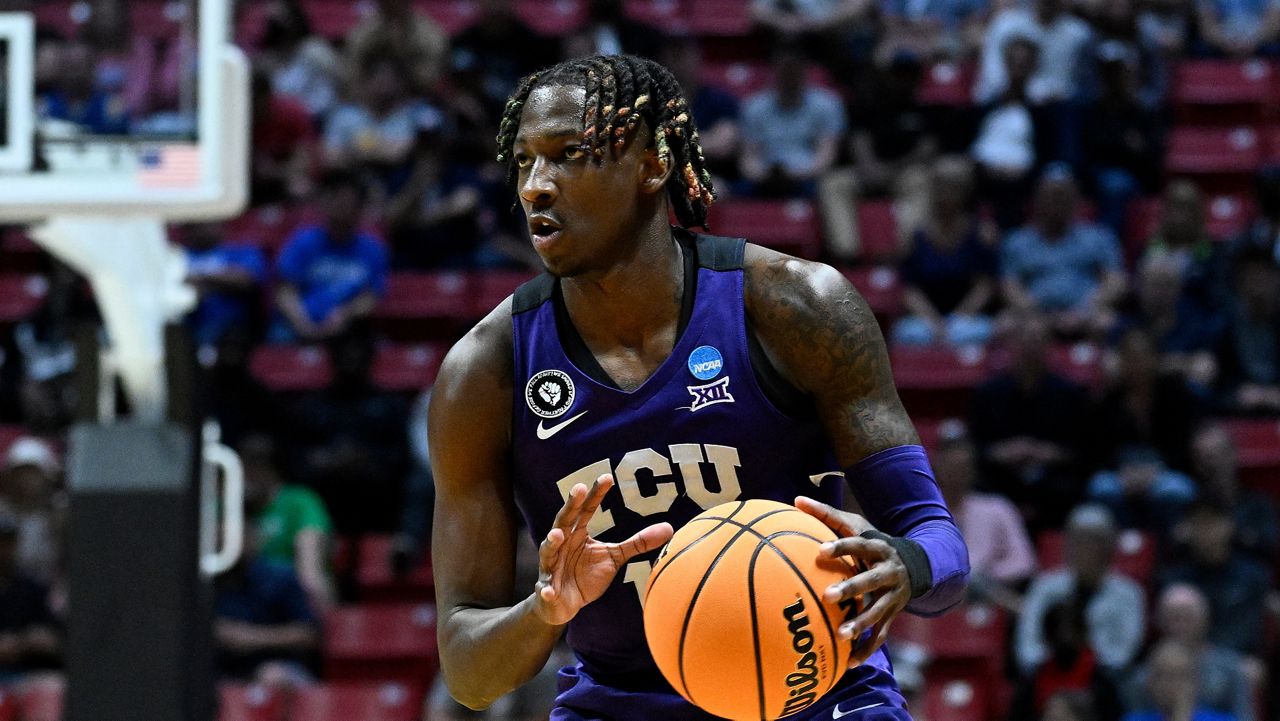
Baugh, a 23 year old point guard from TCU, fits a similar mold. Known for his defensive versatility and ability to disrupt opposing guards, Baugh gives the Celtics a perimeter defender they believe can change games without needing high usage on offense. “He has great length, he pressures the ball, and he understands how to control pace,” one Celtics scout said. “We think both he and Jones have the potential to anchor our defense for years.” While some fans questioned the selections on draft night, others were optimistic. “They might not be highlight reel guys,” one fan tweeted, “but if Boston’s defense gets back to top tier form because of them, no one will care where they were picked.”
Through all the change, DeAaron Fox remains the constant, the bridge between eras and the leader of what comes next. The Celtics recently exercised his team option, and Fox has made it clear that he is eager to guide the younger roster forward. “Miles and I built something special here,” Fox said. “We gave our hearts to this team and this city. I will miss him, but my focus is on making sure Boston stays competitive. We are not lowering expectations. We are raising them. I don't have a lot of time left in my career and I'd prefer to go out on top in Boston.”
It is rare that a team can simultaneously close a chapter and start writing the next one on the same night, but that is exactly what Boston has done. The Bridges and Fox era defined over a decade of Celtics basketball, filled with competitiveness, pride, and heart. Moving forward, the next generation will take shape under Fox’s leadership and Jaxon's direction with the hope that it will bring a championship back to Boston.